


By Gadiosa Lamtey
Dar es Salaam. Efforts to explore potentials of renewable energy to produce electricity are gathering pace in Tanzania with projects worth 550 megawatts awaiting conclusion of pre-implementation procedures.
Currently, Tanzania is estimated to generate 1,605 megawatts of electricity but only 58 megawatts of them come from the renewable sources including solar and win.
The commissioner for electricity and renewable energy from the Ministry of Energy, Mr Felichesmi Mramba, said the government was now in the final stages of reviewing the companies that won the tender of implementing the projects which would also involve the Tanzania Electric Supply Company (Tanesco).
The companies are expected to produce 550 megawatts by 2023 through the wind and solar energy projects.
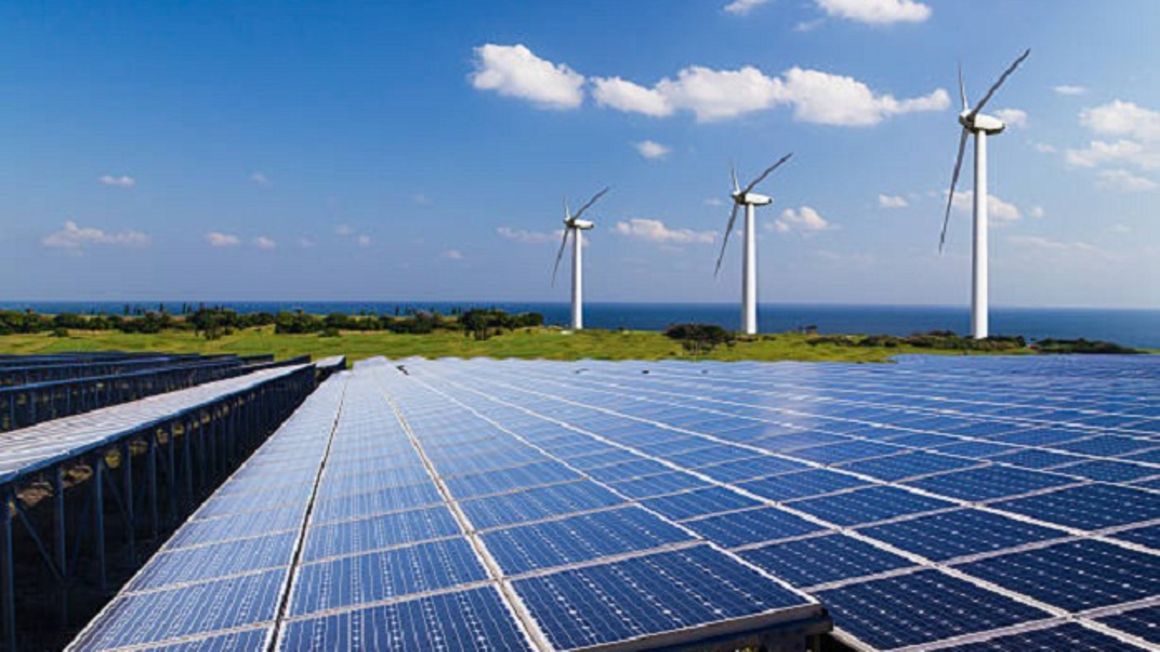
The projects include wind (in Singida and Makambako) and solar energy planned in Shinyanga, Dodoma and Singida.
“The tenders were announced last year for wind and solar energy power production. We have completed the evaluation of the bids and the implementation will start soon. Within a year or six months, some 200 megawatts will enter the national grid,” said Mr Mramba.
He revealed the details in Bagamoyo where he was closing a five-day training to journalists on renewable energy.
He said that the government target is to add 1,100 megawatts of renewable electricity to the national grid by 2025.
Explaining further, Mr Mramba said the private sector will implement four projects worth 400 megawatts by 2023 while Tanesco will build a solar power plant in Shinyanga region that will generate 150 megawatts.
“We will not end there…between 2023 and 2025 our Tanzania Geothermal Development Company (TGDC) will generate 200 megawatts to achieve targets. We have second round of encouraging the private sector to invest to generate the remaining megawatts,” he said.
However, he said the government will produce the renewable electricity in phases.
“The sun and wind have a great potential to generate electricity. For example, when the sun is hot and high wind the production exceeds and that will cause instability as compared to gas, water or coal because.”
“That is why in the policy we have a limit of 15 percentage renewable energy production entering into the national grid.
We have a limit because if we take all the sources, there will be too much instability while the installed capacity is 1,600 megawatts,” he insisted.
He said the government will not shift from generating electricity using other non-renewable such as gas, water and coal, but it needs to have an energy mix because other sources are not sustainable while renewable energy lasts longer.
Explaining why the government was late in investing in renewable energy considering that Tanzania is endowed with many sources, he said in 2012 investment was expensive and electricity sales were between 25 cents of US dollar compared to 11 cent for hydro.
He added that the situation is now different with prices having dropped. Speaking during the training Geologist from MTL consulting Company Mr John Bosco said various studies conducted in Tanzania have concluded that Tanzania has a high and mostly untapped potential for renewable energy sources.
He said the only resource significantly in use is hydropower.
He also said biomass resources are mostly exploited traditionally using unsustainable ways although there remains great potentials due to large amounts of organic waste generated from the agricultural sector.
No comments :
Post a Comment