


Scores of women in western Tanzania have been attacked and raped in so-called Teleza attacks. The authorities are doing little to stop them.
 analysis
By Samira Sawlani
analysis
By Samira Sawlani
Scores
of women in western Tanzania have been attacked and raped in so-called
Teleza attacks. The authorities are doing little to stop them.
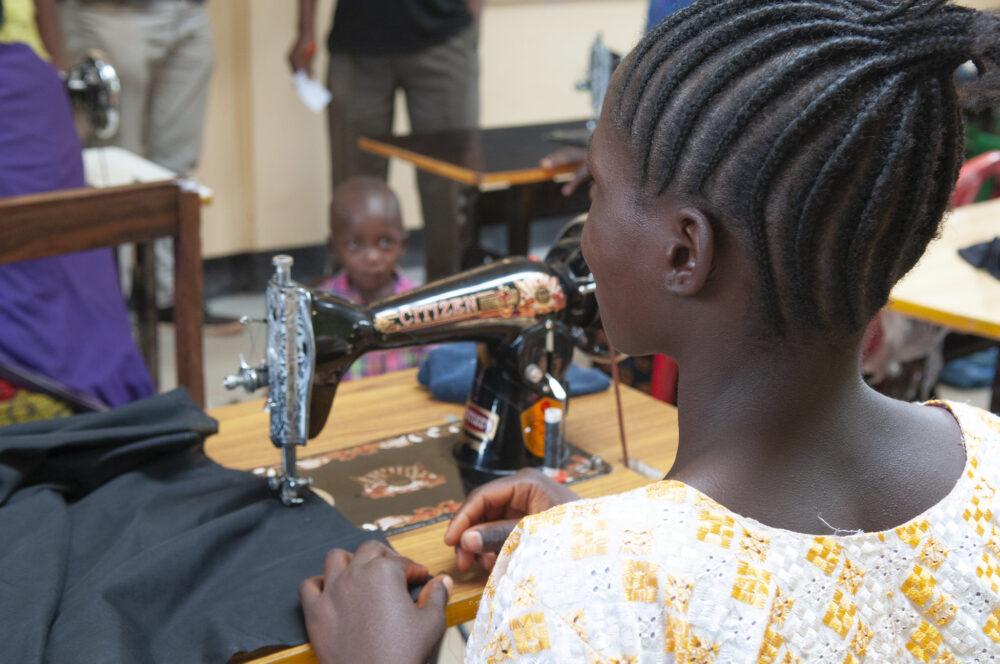
Cases of rape against vulnerable women in Kigoma have been rising recently. Credit: Patrice Brizard.
One night earlier
this year, Elizabeth was asleep in her home in western Tanzania when she
realised
someone else was in the room. She tried to scream, but the
intruder attacked her and slashed her neck. He raped her before
escaping.
"He broke into the
house naked," says Elizabeth*, still wearing bandages. "He'd applied oil
all over his body. Therefore when you try to touch or grab him you
can't. That's how he manages to escape. This has happened to many women
in the area."
Sexual violence is a
serious problem across the world, but in the last few years, it has
taken a particularly strange form in Elizabeth's home town of Kigoma. In
this area, scores of women have similar accounts of rapists breaking
into their homes, covered in grease.
The first attacks
of this kind reportedly occurred around 2014 and have increased ever
since. The attackers - known locally as Teleza, which refers to the fact
that they cover themselves in oil - typically break into the homes of
women in the night. They are often armed and threaten violence,
sometimes leaving the survivors with life-threatening injuries.
"They scare you with machetes and you have no choice but to give in," says Rosemary.
Annagrace
Rwehumbiza, a programme officer for youth engagement organisation
TAMASHA, was among the first people to look into the phenomenon. She
says it has changed and spread over the years.
"Initially these
men only targeted single women, almost like they wanted to punish them
for not adhering to the norms of society by getting married," she says.
"At some point this changed. Suddenly even married women were being
targeted."
Today, the
attackers appear to have become even more brutal and indiscriminate.
Aisha says she was raped in front of her children; a few months later,
her pregnant niece was also targeted. Two sisters in their 70s say they
have been raped twice.
"These Teleza don't see how old the women are," says one of them.
Activists in the
area are unable to explain where this worrying trend came from and why
it emerged in this part of the country. But Rwehumbiza sees it as
fitting into broader dynamics around gender violence and patriarchy in
Tanzania.
"While we are
unable to determine where this phenomenon has come from, it is very much
rooted in a need to control women," she says. "These men know that the
victims will be shunned from society, may be left by their husbands and
will lose their livelihoods. These factors seem to be at play here."
"A second humiliation"
So far, the scores
of victims of Teleza attacks have found it difficult to get authorities
to act. Many who have reported their rapes to the police have been
branded as sex workers and not been taken seriously. It was only when a
group of survivors spoke out together in front of the press in 2016 that
any action was first taken, though it was only temporary.
"The media, the
police and local NGOs were all present," recalls Rwehumbiza. "Arrests
were made, [but] days later the men were set free, leaving the women
terrified of retaliatory attacks."
Because of the
Kigoma authorities' inaction and attitudes regarding rape - a problem
reflected nationally - many survivors say they were reluctant to report
when assaulted.
"You carry all that
shame and then go through a second humiliation through the way they
look at you and ask questions," says one woman.
Furthermore, those
that do seek help from the police are often vulnerable to exploitation.
Under Tanzanian law, victims of a crime who need medical advice are
required to fill in a PF3 Form. Civil society organisations claim that
police sometimes ask women to pay to get a copy of the form.
This lack of
support has left survivors alone in their trauma and often facing
widespread social stigma. A woman who was raped a few weeks ago
reportedly committed suicide. Another victim, who was sexually violated
in front of her ten-year-old son, recently fled the area, leaving her
child in the care of neighbours.
When African
Arguments questioned Kigoma Regional Police Commander, Martin Otieno,
about the attacks in the area, he was largely dismissive. "There is
nothing special with Teleza," he said. "It is just being exaggerated too
much with those NGOs. No rape has been reported, rather just Grievous
Bodily Harm."
The president weighs in
Recently Teleza has
become a national talking point. A few weeks ago, opposition leader and
Kigoma MP Zitto Kabwe made an impassioned speech in parliament
demanding action over the cases.
"Authorities are
simply irresponsible," he said. "I would like to see the culprits
punished. Furthermore, we now pushing for community policing as a
sustainable solution to end this matter."
At the same time,
civil society organisations have formed a coalition to highlight the
issue. The group is lobbying the government to take action and demanding
a visit from the Minister for Home Affairs. These actions may have
already prompted some action. Mshbaha Mshbaha, coordinator of Change
Tanzania, says ten arrests have recently been made.
However, it still
seems that Tanzania is a long way off from taking Teleza, and sexual
violence against women more widely, as seriously as is necessary. And a
general lack of concern among authorities appears to go right to the
top.
On 4 June,
President John Magufuli finally referred to the Teleza in a speech, but
only to express his displeasure that the media was focusing on recent
arrests regarding the matter rather than the fact that Tanzania had won
an award for the Best National Park in Africa.
"Covering a story
about a small personal issue like Teleza instead of the Serengeti Park
win is nonsense," he said. "We have to stop focusing on minor issues."
According to a local activist, who wished to remain anonymous, the president's attitude is "disgraceful" but "not surprising".
"The women of
Mwanga Kusini are poor and insignificant right now," she says. "They,
like other women in the country, will only gain importance for this
government when it's election time."
*names have been changed
No comments :
Post a Comment