AB InBev to Wring Potential From Africa Beer With Exports
by Janice Kew
and Loni Prinsloo
Brewer to export Africa brands; send global beers other way
Nigerian plant planned to tap continent’s most populous nation
Anheuser-Busch InBev NV
will export African beer brands to its markets around the world as the
Budweiser maker seeks to maximize the potential of a continent that was
key to its decision to buy rival SABMiller for $103 billion.
“There
are so many very unique African brands and I think it is time to sell
African beers to the greater market,” said Ricardo Tadeu, a 40-year-old
Brazilian who moved to Johannesburg from Mexico to head up AB InBev’s
African operations. “There is huge potential for these brands to be
exported.”
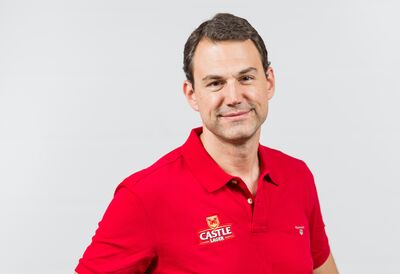
Ricardo Tadeu
Source: SAB
The
world’s biggest brewer plans to sell packs of eight African beer brands
outside the continent, including Castle, the dominant brand in South
Africa, Kilimanjaro of Tanzania and Nigeria’s Hero. At the same time,
the company will introduce global beer brands such as Budweiser, Stella
Artois and Corona in African markets, Tadeu said in an interview at AB
InBev’s Johannesburg office on Wednesday.
Tadeu is responsible for spurring growth on a continent where AB InBev didn’t have a foothold before completing
the purchase of SABMiller in September. About 65 million people are due
to reach the legal drinking age by 2023, creating an opportunity for
brewers, although Tadeu must also tackle slowing economic growth across
some of the biggest markets. South Africa, where SABMiller first set up
shop in 1895, expanded
0.3 percent in 2016, the slowest pace since 2009, while Nigeria is in
recession after the collapse in oil prices hurt its biggest source of
revenue.
Acquired Taste
With consumers in some African
markets drinking an average of less than 10 liters of beer per head a
year, Tadeu sees an opportunity to increase that to the average of 45
liters to 65 liters in other markets. Rolling out existing brands and
increasing consumption will be key to African growth, he said.
Since
taking over from SABMiller’s Mark Bowman, Tadeu has traveled
extensively across the continent, often in the private jet used by his
predecessor, and said he now drinks African beer brands by choice.
Castle, in particular, has a “great opportunity” to become more global,
he said.
“I love Castle Lite,” Tadeu said. “When you mention Bud
Light I don’t see much space for that here, because I think Castle Lite
is such a great light beer.”
New Investments
Within the next 12 months, AB InBev plans to invest
between $150 million and $200 million on two new production lines in
South Africa and look for cost cutting opportunities. The company agreed
to create a 1 billion-rand ($73 million) fund to support the local beer
industry and protect jobs to win government approval for the SABMiller
deal, one of many concessions it made around the world to secure the
takeover.
AB InBev is planning a new plant in Nigeria. Sites can cost
as much as $400 million, the executive said, although the brewery will
not follow Heineken NV, the world’s second-largest brewer, into other West African countries such as Ivory Coast and the Democratic Republic of Congo.
At the same time, AB InBev doesn’t have plans to reduce its presence in any of the 31 African markets in which it now operates.
“We are prioritizing what we need to do in Africa, rather than trying to find new things,” Tadeu said.
AB
Inbev has completed the sale of its stake in South African drinks maker
Distell Group Ltd. to the country’s Public Investment Corp., it said in
a statement on Wednesday.


No comments :
Post a Comment