
Nume Ekeghe
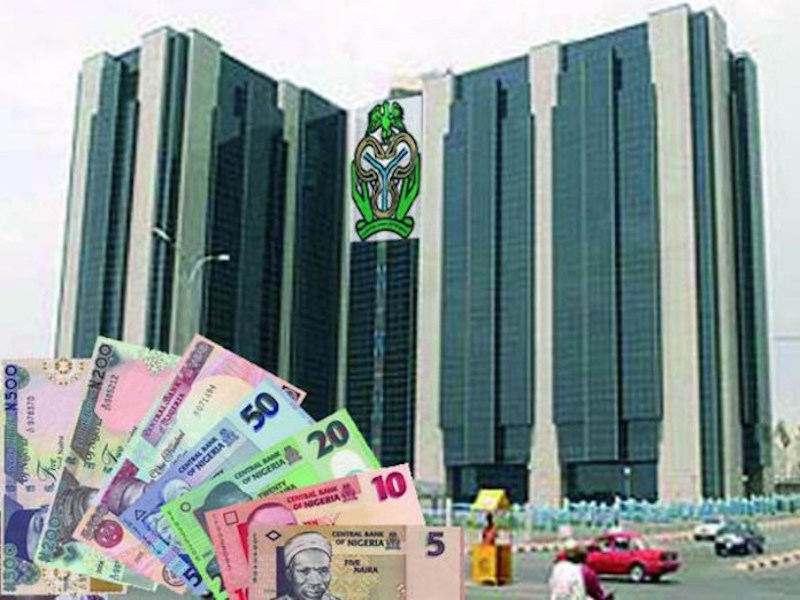
The Central Bank of Nigeria (CBN) has unveiled a Risk and Information Security Management Framework.
The policy is aimed at promoting
effective management of monetary policy and banking supervision and to
guide the management of risks associated with the
payment system in
Nigeria
This was unveiled yesterday on the central bank’s website.
It stated that the objective of the
framework was to identify and address sources of systemic risks within
the Nigerian Payments System landscape; establish sound governance
arrangements to oversee the risk management framework by ensuring that
risks are identified, monitored and treated.”
“Establish clear and appropriate rules
and procedures to carry out the risk- management objectives, employ the
resources necessary to achieve the payments system’s risk management
objectives; and integrate risk management into the decision-making
processes of the Scheme Boards and Working Groups under PSV 2020.”
Furthermore, it added that the scope was designed to guide the operators and users of the payment systems across Nigeria.
The scope of the framework also includes
any payment system based or operated in Nigeria that engages in the
settlement of non-Naira transactions operating within Nigeria and those
that operate across the Nigerian borders (cross border payment systems);
along with their infrastructure providers and the Payment Service
Providers (PSPs) that make up these systems.
It further added: “This framework does
not apply to arrangements for the physical movement of cash or systems
for settling securities nor apply to market infrastructures such as
trading exchanges, trade-execution facilities, or multilateral
trade-compression systems.
“It is also not intended to apply to
bilateral payment, clearing, or settlement relationships, where a
payment system is not involved, between financial institutions and their
customers, such as traditional correspondent banking and government
securities clearing services.
“For example, the orderly settlement of
open market operations (OMO) and the efficient movement of funds
throughout the financial system via the financial markets and the
payments system that support those markets are critical to the effective
implementation of monetary policy.
“Similarly, supervisory objectives must
take into account the risks that payment systems pose to the financial
system by participating directly or indirectly in, or providing
settlement, custody, or credit services.
“In the interconnected environment, the
safety and efficiency of these systems may affect the stability and
soundness of financial institutions and consequently the financial
stability of the country.
“As a result, safeguarding the integrity
of the payments system in Nigeria has acquired additional significance
and calls for the upgrading of associated risk management procedures
through concerted efforts by market participants and the relevant
authorities, notably the CBN.
No comments:
Post a Comment